Departments

“Vignette”

Since Harold’s partner died first,I’m gifted his antique Flow Blue teapot,sugar, creamer, which I keepnext to the porcelain pitcher wheremy father’s wooden paintbrushes showtheir bristles like little bud-brooms.These sit atop a thick, large navy splatter-ware plate I threw at Benningtonmore than forty years ago.What remains? I recall the feel of wet clay, sitting at the wheel, centering myself.
Read More »

“In Rio, After an Ill-Fated Romance”

Brooms! Buckets! Açai! Mangos! Melons! Bootleg CDs!Bikinis on mannequins that look like sex dolls dancing in open air.The coconut man’s at his stand, grinding the flesh into piles of snow.He asks me to marry him and as I consider,an elderly couple trundles by with a load of root vegetables.Their frayed plaid jackets match, their arms are wrapped aroundeach other’s waists. You could just tell she’d given birthto several babies, now grown and living in distant

Read More »

“Cremation in Mexico” and “My Mother’s Mother’s Photograph”

Cremation in Mexico Our father, lying face-up in his linen jacket and good pants on the black rubber assembly-line conveyer belt that was jerking toward the furnace in this outdoor industrial yard on the outskirts of the city—where who knows what was disposed of—no plush chairs, background music orundertaker nodding solemn in his suit but only this gravel ground and a conveyer belt so narrow our father barely fit—and as it moved his body slipped—my

Read More »

On the Cover 3.3

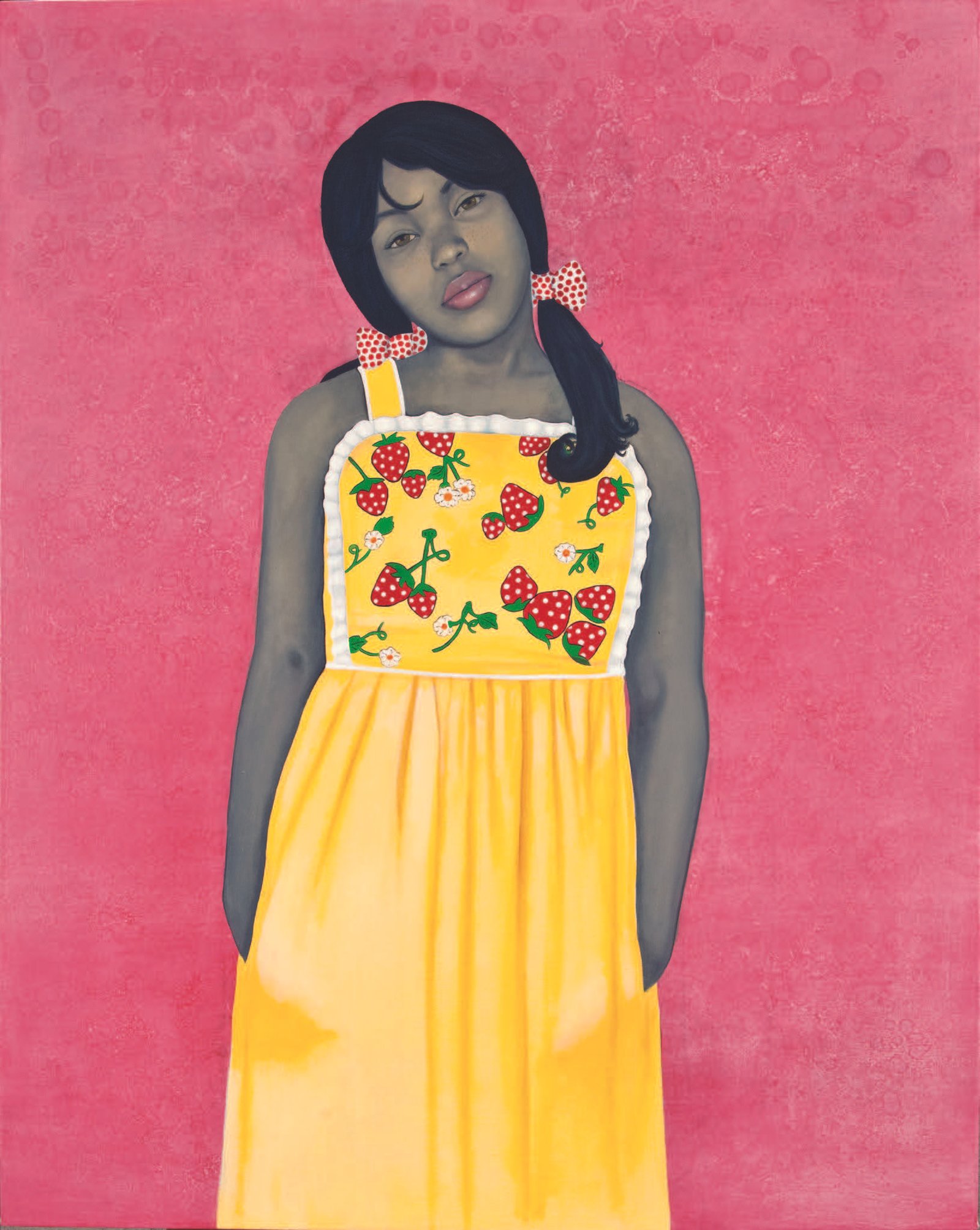
The Beautiful: small scale, gentle luminosity.Sublime: territorial, vast, craggy, un-domesticated, borderless, immense, unknown,awful, monumental, transcendent, transcending. —Elizabeth Alexander, “American Sublime” Amy Sherald’s current exhibit at the Whitney Museum of American Art, American Sublime, fills in through image and word a crucial absence in American painting. Sherald’s portraits stake their territory neither in the wilderness or land to be conquered, nor in the transcendent as conceived by American Protestant traditions. Instead the subjects of these paintings

Read More »

Editors’ Letter 3.3

Dear Readers, In the latest entry in total waste of time, I spent an hour disabling the default AI writing features that, in the last few months, have invaded my email (Google) and the software I use to draft articles (Word). Words and whole sentences are suggested, in a reputedly “personal” style, interrupting my own train of thought. After I erase them, they remain in my mind’s eye, an afterburn, while I try to recall

Read More »

Poetry Comment 3.3

Is there any subject that has the reader more auto-matically on a poet’s side than the death of someone beloved? Not only is it a universal experience, it’s one that grows ever more common the older we get. The classic elegies are for the young—Ben Jonson on the death of his small son, Theodore Roethke’s “Elegy for Jane: My Student, Thrown by a Horse.” Now that we have more older women poets, widowhood is coming

Read More »

“New York Love Stories” on the Criterion Channel

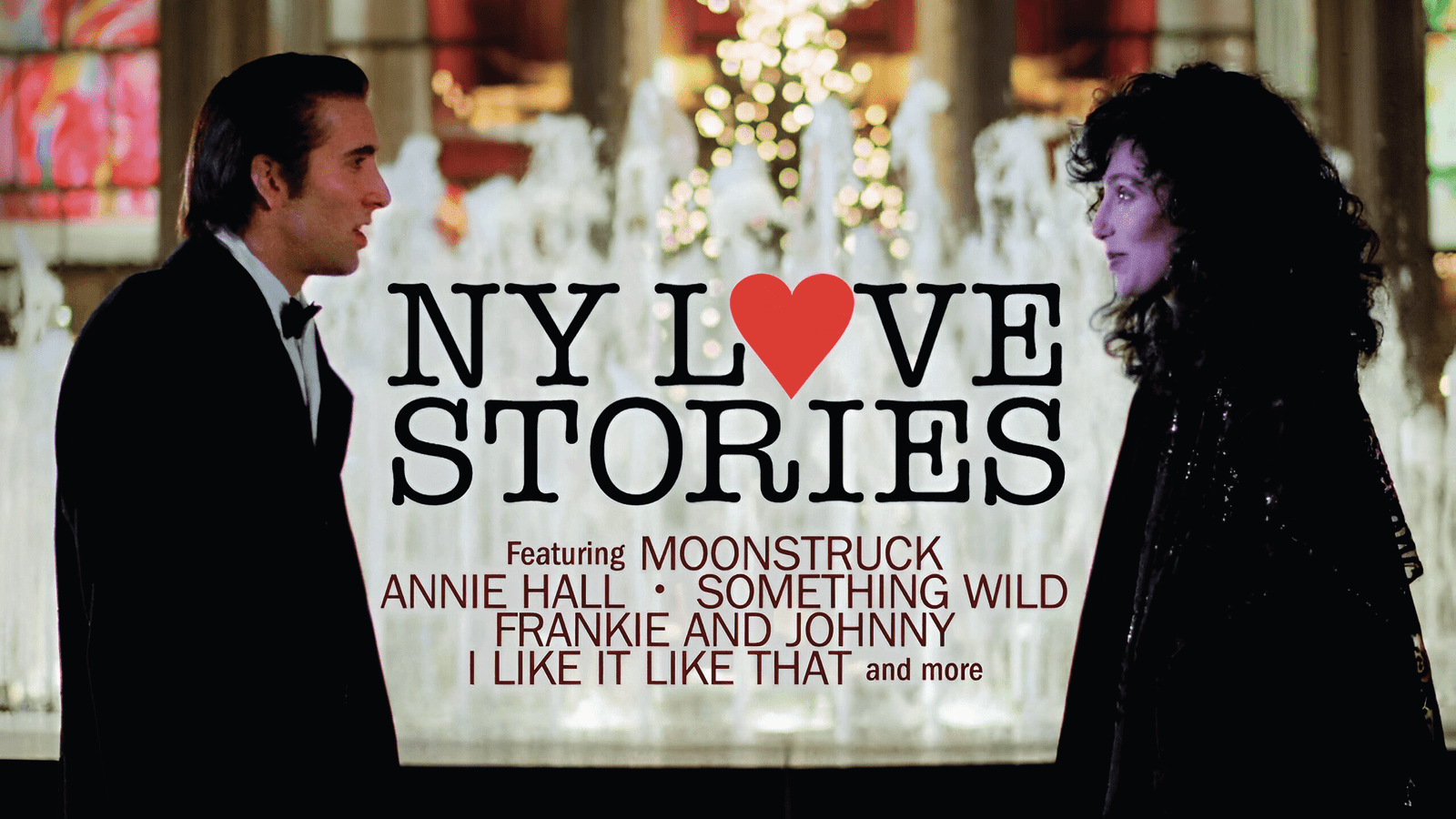
Courtesy of the Criterion Channel. Joan Micklin Silver’s romantic comedy Crossing Delancey (1988) opens in a dimly lit bookstore on the Upper East Side. “They want to pull us down and make something clean and tall and obscenely profitable arise out of our ashes,” the bookstore’s owner tells a group of literary luminaries assembled for a fundraiser. “But we are here! . . . New York’s last real bookstore will be around for a good

Read More »

On the Sixtieth Anniversary of Agnès Varda’s “Le bonheur”

A still from Le bonheur (1965). In the summer in New York City, every bodega you pass sells flowers, and every bodega selling flowers sells sunflowers, which do look a lot like the sun as a child might draw the sun: with distinct triangular rays and a smiling brown face in the center. Sixty years ago, Agnès Varda opened her film Le bonheur with an image of a sunflower, a florist’s symbol of loyalty. Did

Read More »

How Liz Wallace’s “The Rule” Became Alison’s “Bechdel Test”

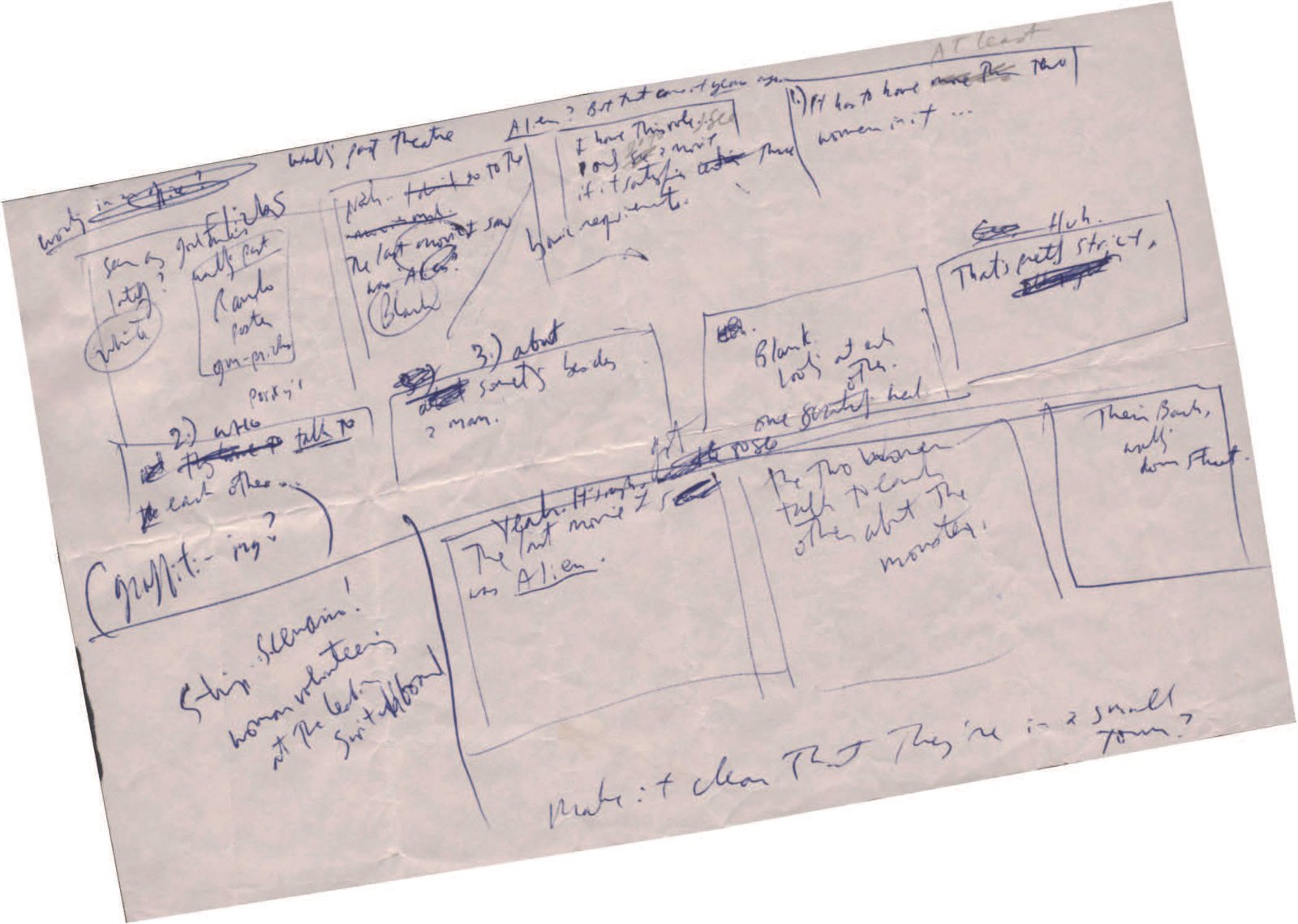
The Bechdel Test has become shorthand, a feminist seal of approval for movie goers who care about broadening roles for broads. Alison Bechdel’s papers at Smith College’s women’s history collection offer a fascinating glimpse into her creative process making Dykes to Watch Out For, including an installment in 1986 titled “The Rule” that spawned her most far-reaching contribution to culture.  Bechdel’s first drafts tended to be notes scrawled on a storyboard, no images yet, with

Read More »

“Liberation,” Roundabout Theatre Company, New York, NY
“Free to Be . . . You and Me: 50 Years of Stories and Songs,” The Eric Carle Museum of Picture Book Art, Amherst, MA
“Macbeth in Stride,” Brooklyn Academy of Music, Brooklyn, NY

Along with the National Organization for Women and the American Association of University Women (AAUW), Ms. magazine was feminism when I was a kid. I grew up in 1970s Fargo, where my mom subscribed to Ms. and was a member of AAUW. A Ms. mom was different than a mom who read Ladies’ Home Journal, less likely to sew clothes for your Barbie doll or make bread-dough ornaments (though my mom baked her own bread).

Read More »

Sign-up to receive our occasional newsletter, updates, and offers!

We don’t spam! Read our privacy policy for more info.